North America / United States / California

Los Angeles

Delicious disco on the label lots, boisterous boogie in the backyards, and four-to-the-floor house in the warehouses. Los Angeles has reinvented its dance floor more often than almost any city, and it has always been the dancers who kept it alive.

SNE's Los Angeles hub follows that story from the 1970s to today, then introduces the selectors, collectives and labels who carry it forward. Whether you're visiting for the weekend or have lived here all your life, start with the story and follow the people.

How the City of Angels built its sound

Each era taught the next its steps, moves and grooves: the choice house music imported from Chicago and New York in the late 80s and 90s, the house dancers in the main rooms, and the selectors dropping heavy West Coast soul and funk in the lounges. That is what has kept this culture alive for generations.

1970s

Disco comes through the label offices

Casablanca Records moves from New York to the former A&M Records offices on Sunset Boulevard and signs Donna Summer, Village People, and Parliament. 20th Century Records, the music division of the huge movie business, breaks Barry White and the Love Unlimited Orchestra, before following up with Carl Carlton and the divine Ms Stephanie Mills. LA dance floors learned disco from the records first, but soon embraced the madness through clubs like Studio One (Starwood) and The Circus, quickly transforming the city into a major disco capital.

1980s

Funk, soul and boogie take over

SOLAR Records, founded in LA in 1978, defines the boogie sound with Shalamar, Dynasty, Lakeside and Midnight Star, built on those undeniably infectious Leon Sylvers III's basslines. Backyard parties across the city carry it into neighbourhoods and help establish the promoter crews that were soon to follow.

Late 1980s

House arrives with Marques Wyatt

After a 1985 trip to New York, where Danceteria, Larry Levan's Paradise Garage and Frankie Knuckles at The World shaped his musical ear, Marques Wyatt came home and started BBC, Mac's Garage and Does Your Mama Know. House rarely left Chicago, New York and LA's gay clubs back then, but Wyatt's parties would soon take it to a more diverse Southern Californian crowd.

The Underground Years

The city soon pushed back

Police and fire department pressure drove the parties back underground, but despite the lost decade, the crowd kept moving.

1990

Arena opens on Santa Monica Boulevard

A converted Hollywood ice factory, Arena becomes a refuge for LGBTQ+ Latinos during the AIDS years, and its soundtrack of early 1990s dance music provided the template for what was to come. It finally closed its doors on 1 January 2016.

1991-92

The warehouse raves take over

Giant warehouse parties pulled thousands into house, and its many offshoots, and the inevitable police response was heavy. For many Angelenos, this is where LA house rightfully begins.

1999

DEEP arrives in West Hollywood

DJ and producer Marques Wyatt opens DEEP at the Viper Room on the Sunset Strip, and soon earns the accolade of LA's longest-running weekly house night with over 20 years of Sundays playing the best in deep house, garage, soul, and underground dance music.

2006

Boogie finally finds its ambassador

Dâm-Funk and Billy Goods start the weekly Funkmosphere in Culver City, a Monday night that fuels a boogie and modern funk revival. His work with Stones Throw, the famed imprint where Peanut Butter Wolf and Egon helped bring hip hop, beats, funk, soul and underground boogie all under one roof, carries it well beyond LA.
How LA got its groove

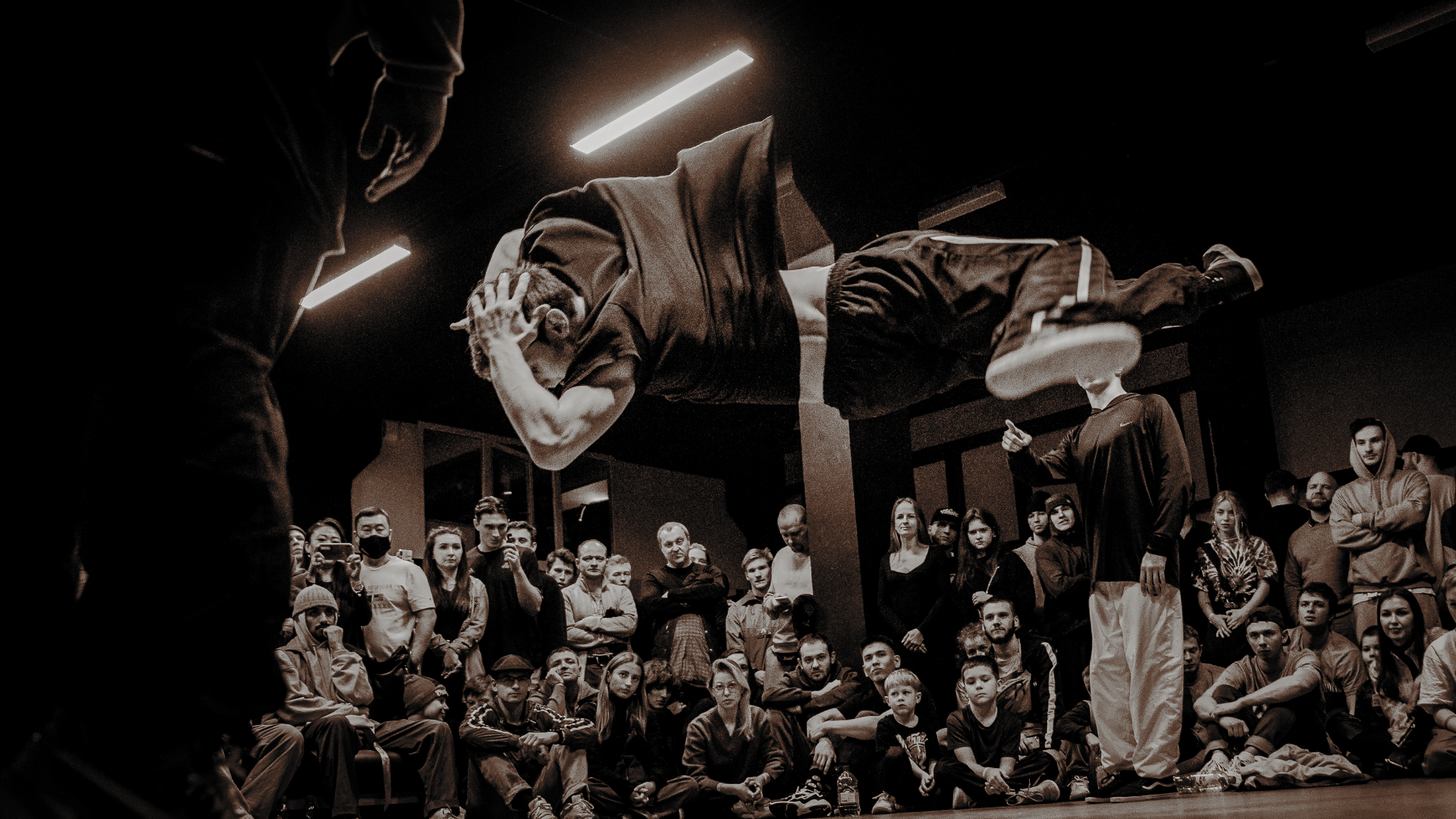
In LA, the dance came with the music. Locking, punking and waacking, popping, breaking and house all took shape on this city's floors, in its clubs, on its TV screens and in youth centres like Radiotron. Here's the lineage - in the order that it all arrived.

Early 1970s

Locking is born in LA. Don Campbell, a student at LA Trade Tech, invents the Campbellock in 1970 while trying to learn another dance, the Robot Shuffle. He wins a Soul Train dance contest in October 1971 and becomes one of the show's regulars. By 1974, his troupe, which includes Toni Basil and Adolfo "Shabba-Doo" Quiñones, is performing on network TV as The Lockers.

Mid-1970s

Punking finds its stage. In LA's gay nightlife, dancers build punking from the Paradise Ballroom on North Highland to Gino's II at Santa Monica and Vine, where DJ Michael Angelo Harris runs Saturday contests with $1,000 prizes. It is theatrical, fast and full of character. Waacking follows, with swinging arms and chest pops, and Shabba-Doo later carries it to a wider TV audience.

Late 1970s

Popping meets locking. The Electric Boogaloos form in Fresno in 1977 around Boogaloo Sam, and members relocate to LA. Locking, popping and breaking coming from New York start to mix in the same rooms, and the street styles begin to share a vocabulary.

Early to mid 1980s

The Trendy Era. On the Westside, Black youth bussed to integrated schools mix hip-hop with ska, punk and mod style. Crews such as Ultra Wave run parties at Kingston 12 in Crenshaw and Maverick's Flat, built around dance battles and the electro of Egyptian Lover. Dancers such as the Romeos and the Soul Brothers show off the poser, the prep and the wop. As one dancer put it, they were "in dance crews instead of gangs".

1983-85

Radiotron. Carmelo Alvarez's Youth Break Center at 715 South Park View, opposite MacArthur Park, gives breakers, poppers, graffiti writers, MCs and DJs a safe place to practise. It is remembered as the first West Coast hip-hop youth centre. The 1983 documentary Breakin' 'n' Enterin' is shot there, and the building is demolished in 1985.

1984

Breakin' hits the cinema. Breakin' opens on 4 May 1984, set around Venice Beach and starring Boogaloo Shrimp, Shabba-Doo and Poppin' Pete. Dancers who learned their craft on LA's streets and in its clubs are suddenly on screens worldwide.

Late 1980s to 1990s

House dance on the floor. House dance comes from Chicago and New York, built on jacking, footwork and lofting. In LA, it is showcased on the TV series Pump It Up, hosted by Dee Barnes, with crews such as The Scheme Team, Club House, L.A. Posse and Just As Hard.

Now

The lineage continues. OpenHouse LA teaches house dance and club culture in class, and the Open House Family Collective runs LA house dance battles and community. Jill's House and Ashley Younniä's Feelin' Feelin' residency at MOCA's Geffen Contemporary put Afro-Latina and Black queer voices at the centre of the floor.

This week in Los Angeles

Nothing on the calendar yet. Running a night in Los Angeles?

Submit an event

Past Events in Los Angeles

All past events in Los Angeles

Venues in Los Angeles

The rooms the nights happen in.

All venues

Local Selectors in Los Angeles

The city specialists who drive the scene in Los Angeles: their parties, mixes and updates.

Interviews from Los Angeles

Conversations recorded in Los Angeles.

Visiting Los Angeles

A locals-only guide to record shops, listening rooms and where to eat is on its way.